
Conference: Good Governance and the Built Environment of Late Medieval Cities (ca. 1200-1700)
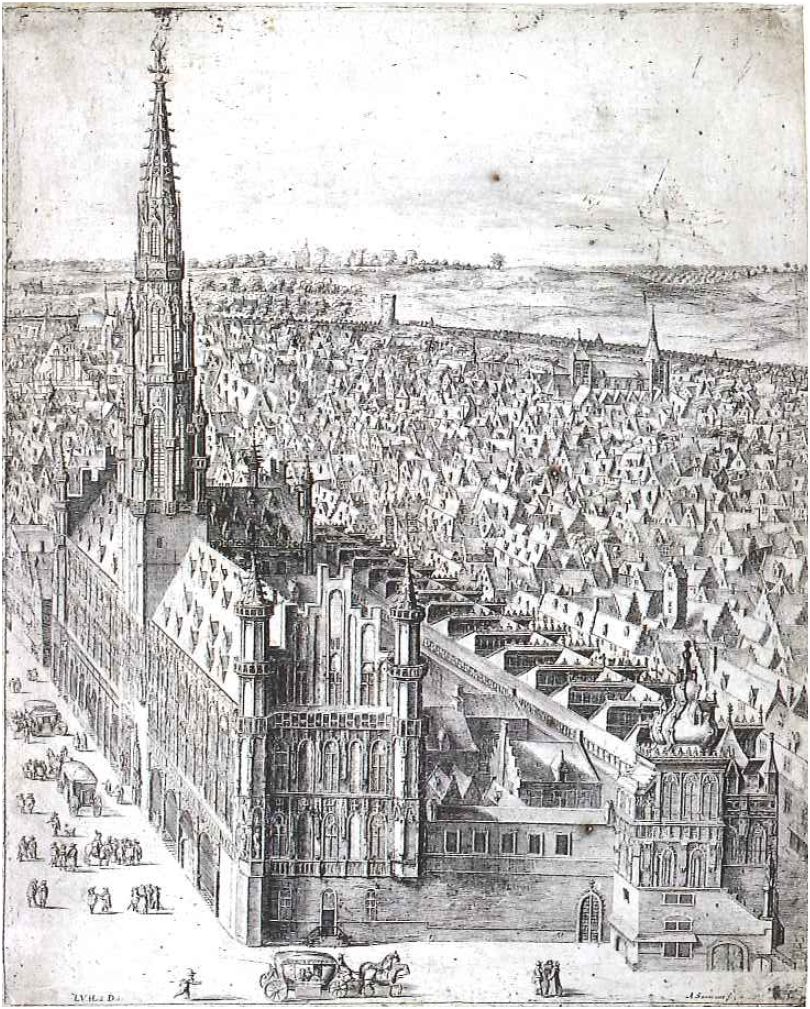
From 3 to 5 September 2025, we hosted an academic conference in Brussels exploring how the built environment of late medieval cities was conceptualised and physically shaped in relation to ideals of good governance. The conference focused on a large historical period (1200–1600) and cover urban centres from North-Western Europe to the Middle East.
Location: Royal Library of Belgium, Kunstberg (Monts des arts) 28, 1000 Brussel (Salle Panorama).
Funding: The conference was funded by an Incentive Grant for Scientific Research (FNRS, Belgium).
Please find the program below.
Conference theme
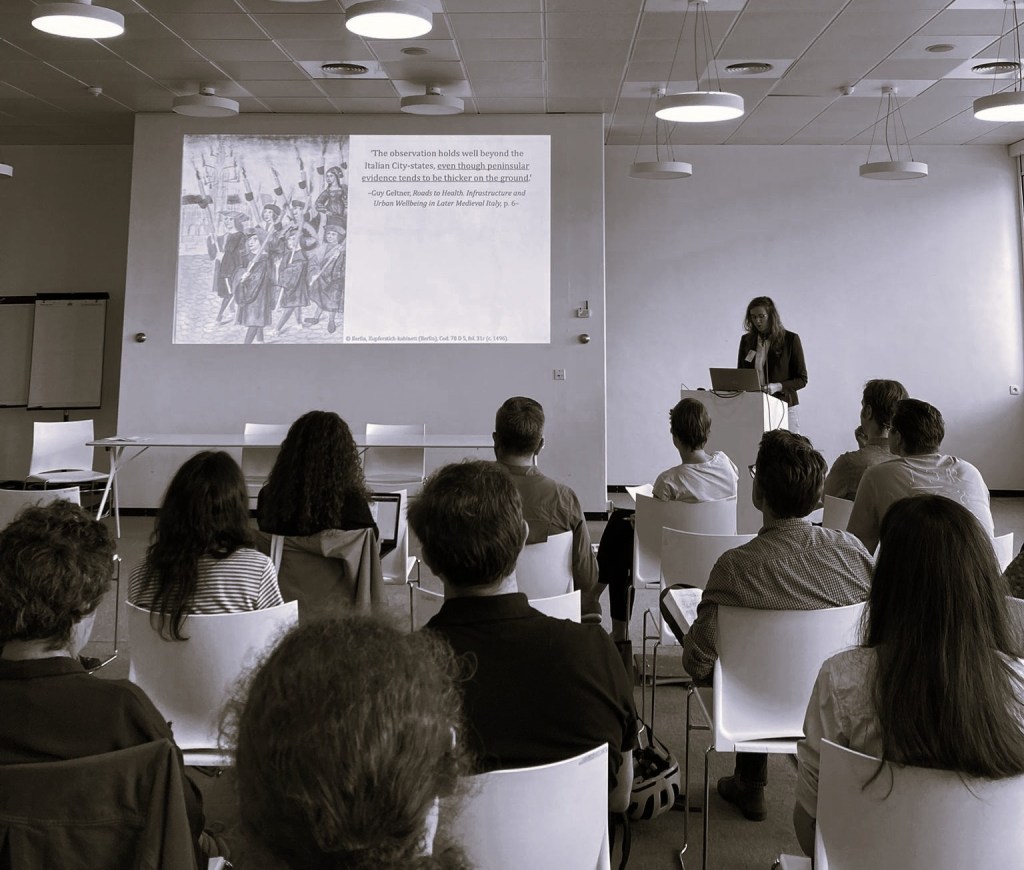
In the late Middle Ages, cities were governed through constant dialogue. Rulers, nobility, citizens and other social groups all found ways to shape urban governance, each articulating complex views on what “good” governance entailed. In order to meet expectations of justice, protection, economic welfare, and the common good, all the aforementioned individuals would often invest in the city’s built environment, either by initiating new architectural and infrastructural projects, or by securing the maintenance of existing ones.
The city as a built space thus required constant development, and in this upkeep and expansion, rulers and governors were attributed a specific responsibility. Scholarship has already extensively explored various policies initiated by rulers and governors for the construction and maintenance of the city’s built environment; Previous studies have, for example, drawn attention to the governmental structures set up in late medieval cities or have explored the legal measures implemented to control urban environments. Similarly, scholarly attention has also focused on individual architectural and infrastructural projects initiated by rulers and governors as a means to meet expectations regarding their governmental responsibilities. However, a systematic overview of how these tasks and obligations regarding the built environment of the city were linked to ideals of good governance is missing, as well as the scope to set individual cases within an overarching framework.
This conference seeks to address this lacuna by asking specifically how the built environment of late medieval cities was conceptualised and physically shaped in relation to ideals of good governance. The focus will be on urban centers in diverse geographical regions (from North-Western Europe and the Mediterranean to the Middle East), and this in the period of 1200 to 1600.
Program
3 September 2025
13:00 Welcome
13:30-15:15 Session 1: Governing and Building the City: An Introduction (Session chair: Jan Dumolyn)
Nele De Raedt (UCLouvain) – Good Governance and the Built Environment: Central Themes and Questions
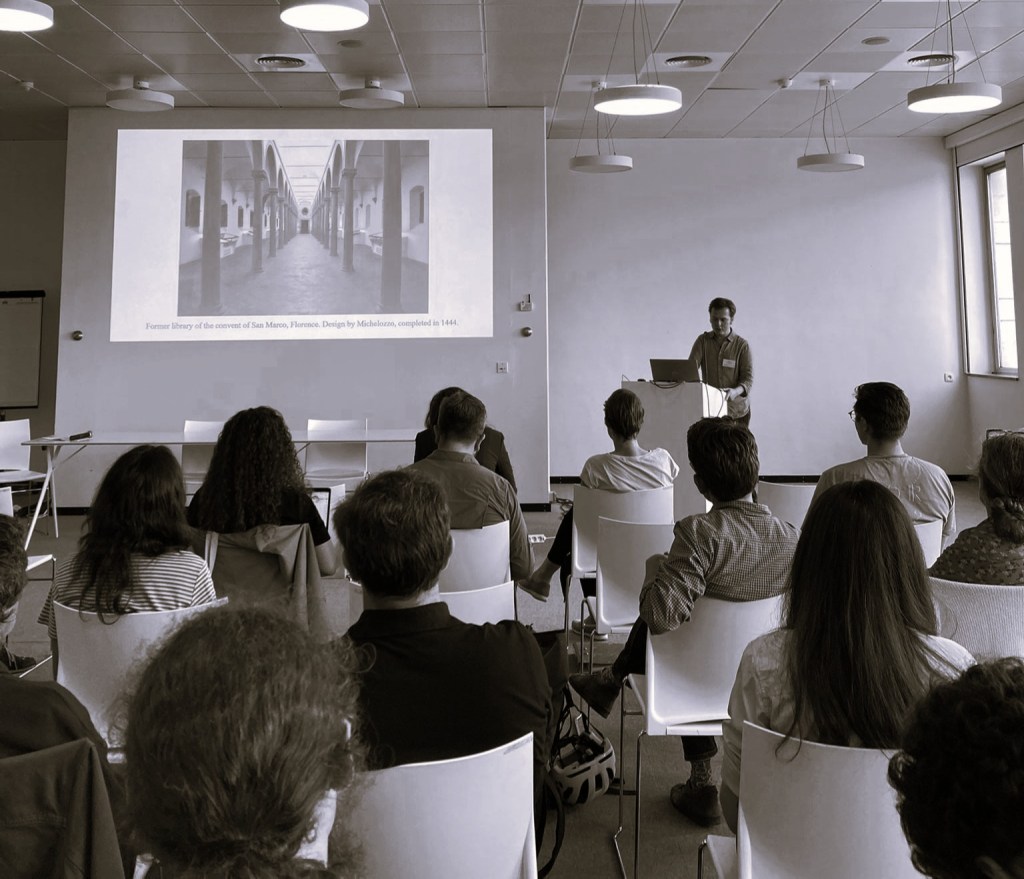
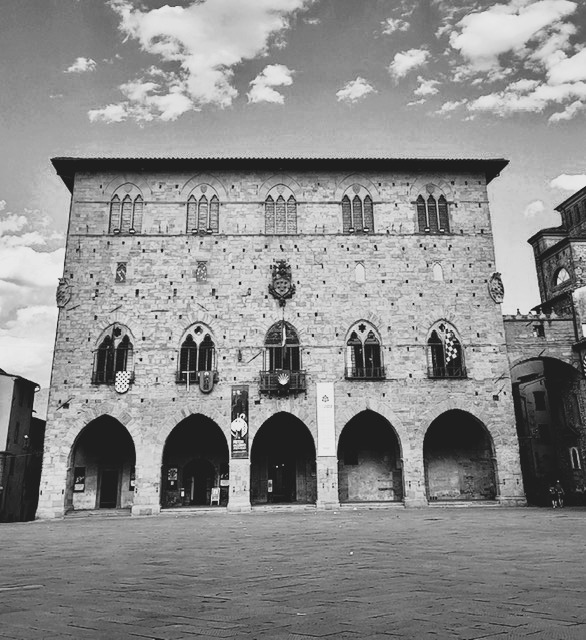
Philip Muijtjens (UCLouvain) – A Curriculum for a City? The Library in the Palazzo Comunale of Pistoia (1458-1461)
Minne De Boodt (KULeuven/UCLouvain) – Building Brussels in Time of Political Transformation: Dialogues on Good Governance and the Built Environment (1400-1466)
15:45-17:00 Session 2: Governing Ideals and the Built Environment (Session chair : Jelle Haemers)
Niklas Groschinski (Oxford University) – Leisure Spaces, Sensorial Pleasure, and Public Health in Premodern City
Planning
Julien Régibeau (ULiège) – Order and Architecture: Policing the City of Liège during the Chiroux–Grignoux
Conflict
Discussion
4 September 2025
09:00-10:15 Session 3 : Municipal Authorities and the Design, Instrumentalization and Regulation of the Built Environment (Session chair: Chris Fletcher)
Frans Camphuijsen & Nathan van Kleij (Amsterdam University) – A Matter of Morals: Stone Fines, Good Governance and the Urban Fabric in Late Medieval Towns
Anna Pomierny-Wąsińska (University of Warsaw) – Just Measures: Surveyors, Space, and Urban (Good) Governance in Late Medieval Florence
10:45-12:30 Session 4: The Endowment of Semi-Public Organisations (Session chair: David Napolitano)
Angela Isoldi (Radboud University) – Spatial and Social Networks: Endowments Shaping the Urban Fabric in Mamlūk Cairo (1250-1517)
Theodora Giovanazzi (Swiss Federal Technology Institute Lausanne) – Governing through Housing: The Scuole Grandi and Urban Welfare in 16th-Century Venice
Emine Öztaner (Ibn Haldun University) – Nurbanu Sultan’s “Waqf Neighborhood” in Üsküdar: Constructing, Populating and Governing Ma‘mûre (16th and 17th
Centuries)
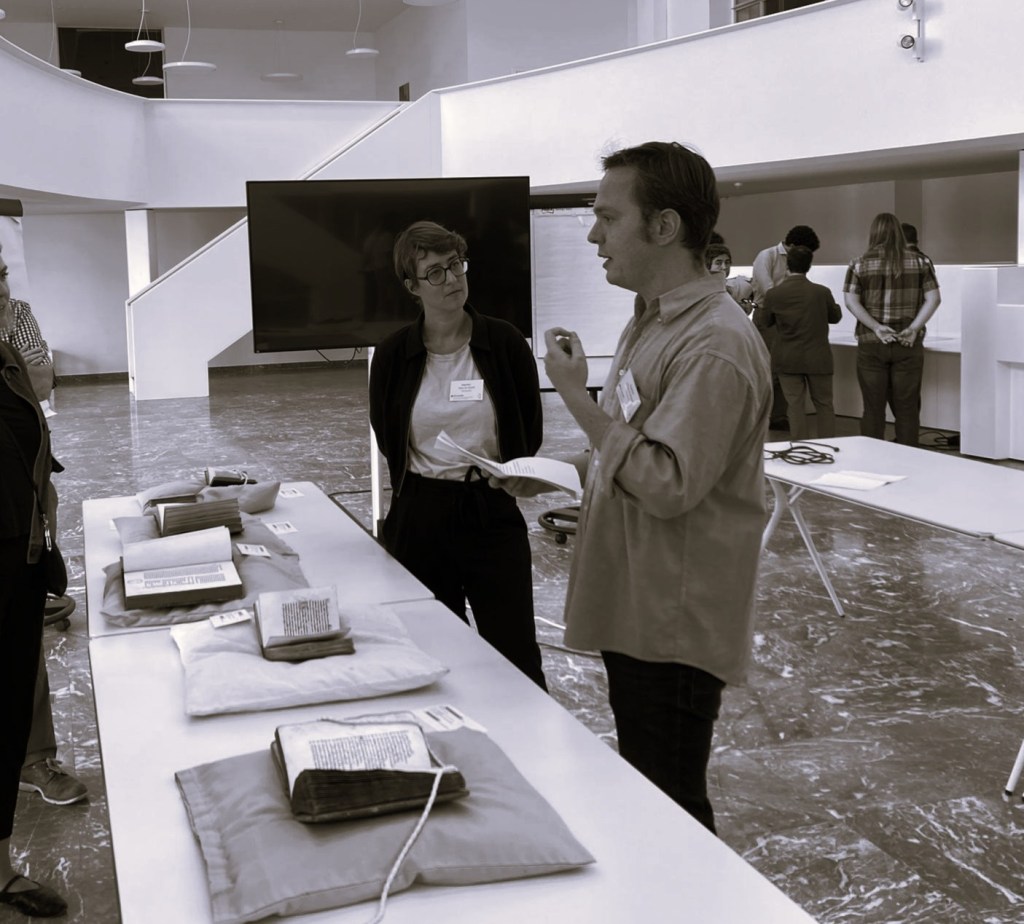
13:30-15:00 Visit to collections of the KBR
15:00-16:45 Session 5: Collaborating Social Groups (Session chair: Minne De Boodt)
Merlijn Hurx (KU Leuven) – “Civic” and “Royal” Meat Halls in the Low Countries in the 15th and 16th Century
Emmanuel Joly (UCLouvain/IRPA) – The Prince and the Canons: Collaboration and Decision-Making in the remodelling of Liège’s Built Environment in the First Half of the 16th Century
Giuliana Mosca (Independent Scholar) – “In grande honore de la cità”: Government, Urban Space, and Architecture in 15th-century Perugia
5 September 2025
09:00-10:15 Session 6: The Representation of Governance (Session chair: Philip Muijtjens)
Elizabeth Den Hartog (Leiden University) – Local Lords on the Façade of Veere’s Town Hall (Netherlands). The Lords of Veere and their Relations with the Habsburg Regime in the Late 15th and Early 16th Centuries
Susan Tipton (Independent Scholar) – Good governance and the Built Environment: The Great Map of Augsburg (1626) and the Renewal of Civic Architecture in the Imperial City around 1600
10:45-12:00 Session 7: Ideal of Good Governance and Architectural Theory (Session chair: Nele De Raedt)
Miara Fraikin (KU Leuven) – “Building on the Foundations of Piety”: Architecture and Female Governance in 16th-Century France and the Low Countries.
Mats Dijkdrent (UCLouvain) – Engelbert of Admont as an Architectural Theorist: Ideas on Morally Good Architecture in 14th-Century Mirror Literature
13:30-15:00 Final discussion
Expert meetings
To facilitate discussion of our research with fellow scholars and receive feedback, we host regular expert meetings. These meetings are generally closed, but if you are interested in attending a particular session, please do not hesitate to contact us.
Upcoming meetings
Our next expert meeting is scheduled for beginning of 2026.
Past meetings
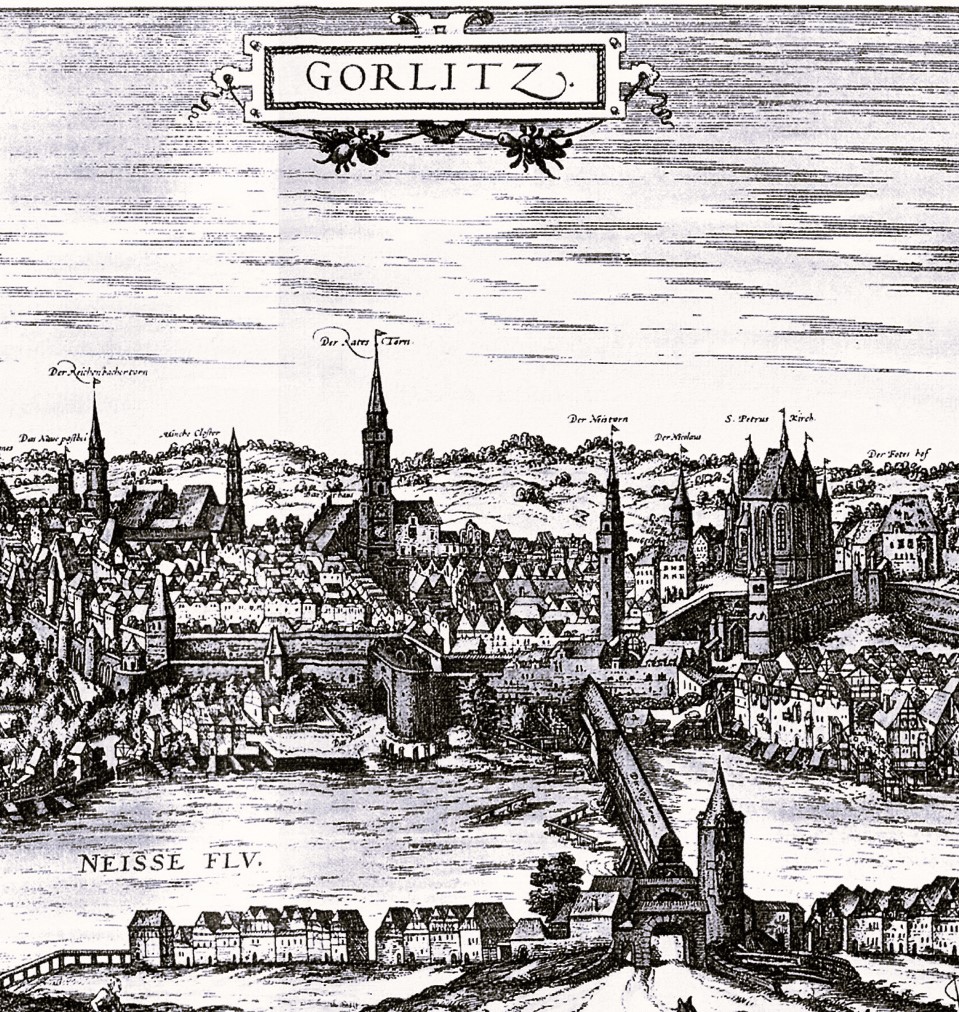
2 April 2025: During this meeting, we discussed our ongoing research in conversation with Dr Elizabeth den Hartog (Leiden University). Professor Nele De Raedt presented her research on Görlitz, while Drs Philip Muijtjens and Minne De Boodt gave brief introductions to their respective research on fifteenth-century Pistoia and Brussels.
3 June 2025: In this meeting, Dr. Philip Muijtjens presented his ongoing research on Pistoia, while Professor Marco Folin (University of Genova) acted as the discussant. In addition, we collectively discussed the theoretical approach of the wider project.
 Governing and Building the City (1200-1600)